
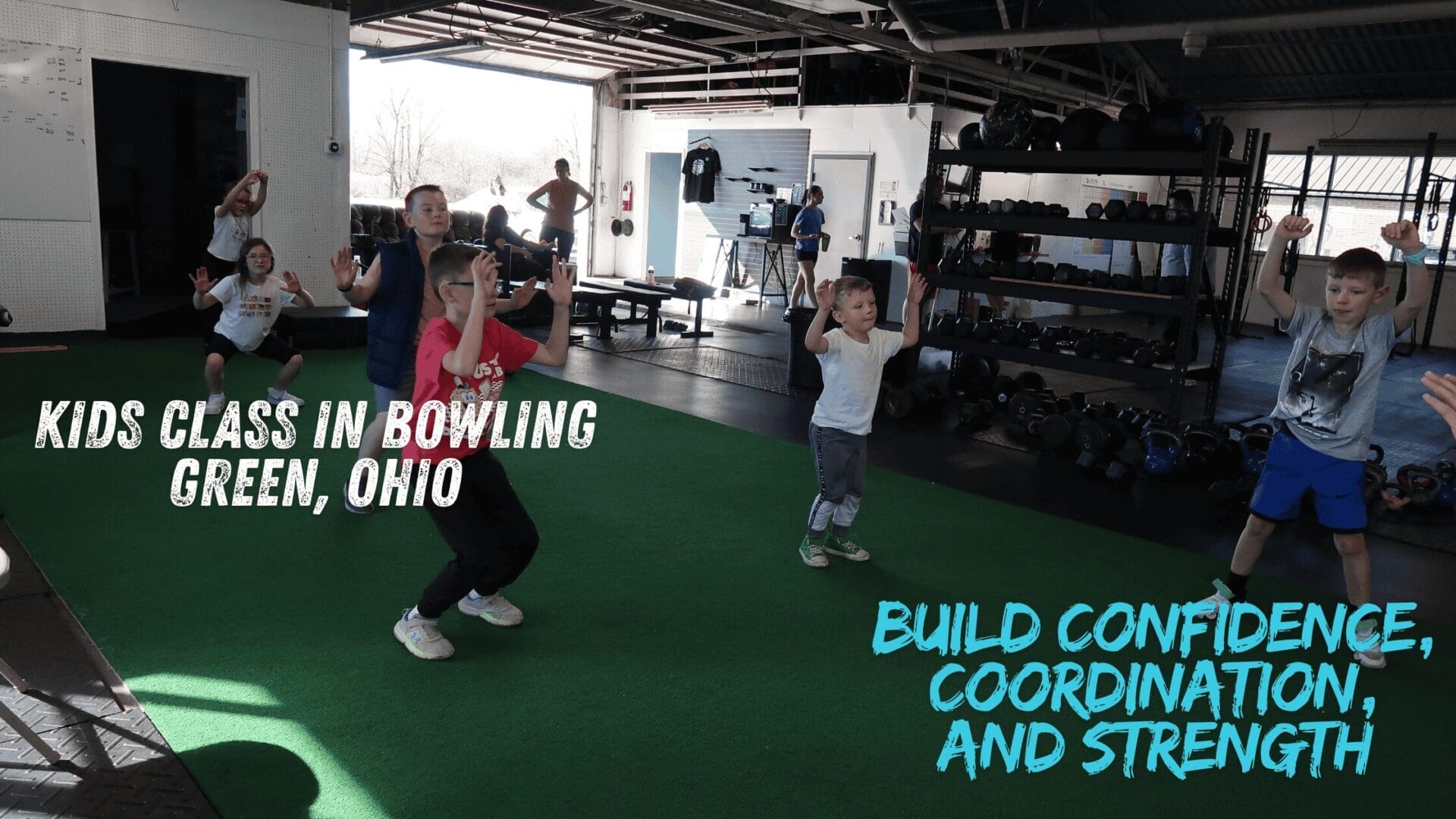
If you’re a parent in Bowling Green looking at strength training for your kid, you probably have the same questions most parents have when they walk through our doors.
Will my kid like this if they’re not athletic?
Is it safe?
What actually happens in the class?
And the big one: how is this different from what they do in gym class?
I’m Coach Sam, and I’ve been coaching kids ages 7–17 at The Well for years. I’ve seen kids who were terrified on day one leave six months later asking when the next class is.
I’ve also seen kids who played three sports show up and realize they’ve never actually learned how to move properly.
Here’s what parents need to know about our Kids Class (ages 7–12) and Teens Class (ages 13–17).
This Is Not Gym Class
Let me be clear about something up front.
This is nothing like gym class.
In gym class, kids get thrown into games without much instruction. The athletic kids dominate. The less coordinated kids stand in the back hoping no one picks them for a team.
Nobody teaches them how to land from a jump.
Nobody shows them how to pick something up without rounding their back.
Nobody explains why strength matters for the rest of their life.
Our classes are built differently.
Every kid gets coached. Every movement gets broken down. Every session has a structure so kids know what to expect.
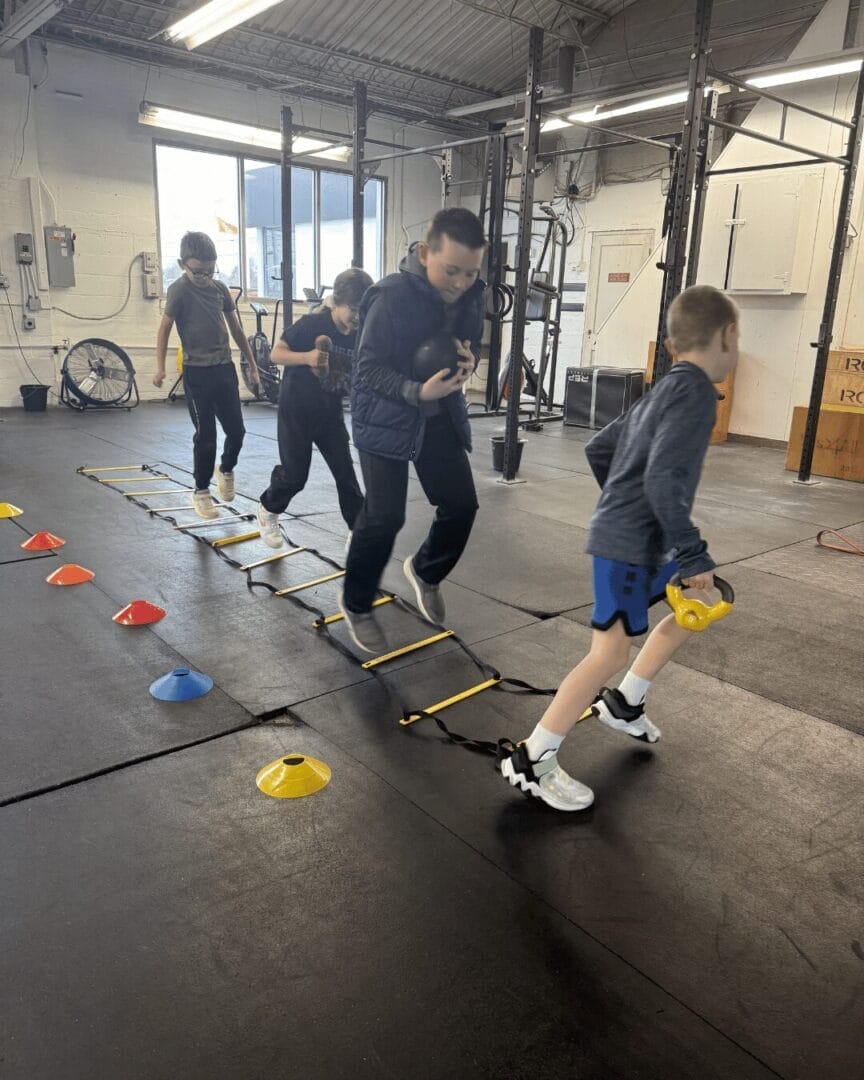
We teach them how to squat, hinge, push, pull, and carry. These are the movements they’ll use for the rest of their life, whether they play sports or not.
And we do it in small groups where a coach can actually see what each kid is doing.
Your Kid Doesn’t Have to Be Athletic
This is the concern I hear most from parents.
“My kid isn’t really into sports. Will they fit in?”
Yes.
Some of the best success stories I’ve seen are kids who showed up nervous because they’d never been good at traditional sports.
Here’s why they do well:
We don’t compare kids to each other. We compare them to themselves last month.
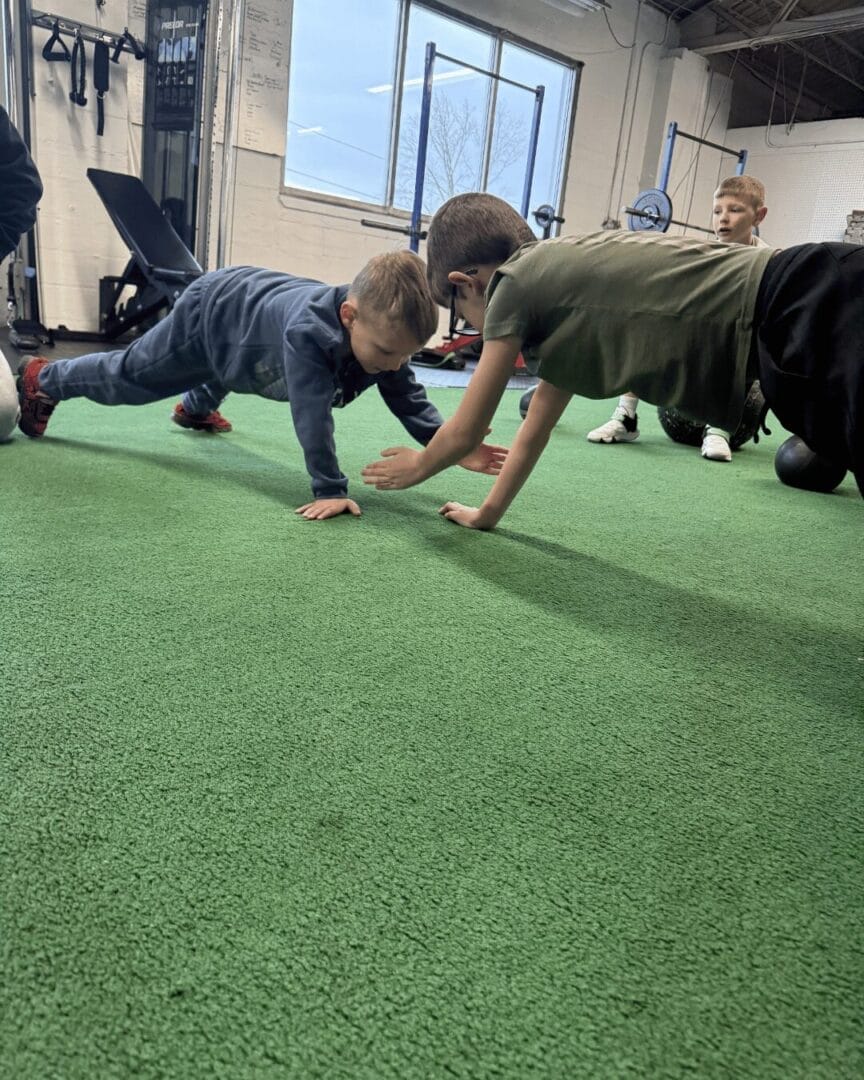
We teach skills in a progression. If a kid can’t do a full push-up yet, they start on an incline. If they can’t squat to full depth, we adjust the range. Everyone starts where they are.
And we make it clear from day one: this isn’t about being the fastest or the strongest. It’s about learning how your body works and getting a little better each week.
I’ve had kids tell me this is the first place they’ve ever felt good at something physical.
That matters.
How We Keep It Safe and Age-Appropriate
Parents ask about safety. They should.
Here’s how we handle it.
First, every coach at The Well has a degree in exercise science, kinesiology, or a related field. We’re not just enthusiastic people who like fitness. We’ve studied movement, injury prevention, and how to coach different age groups.
Second, we scale everything to the individual.
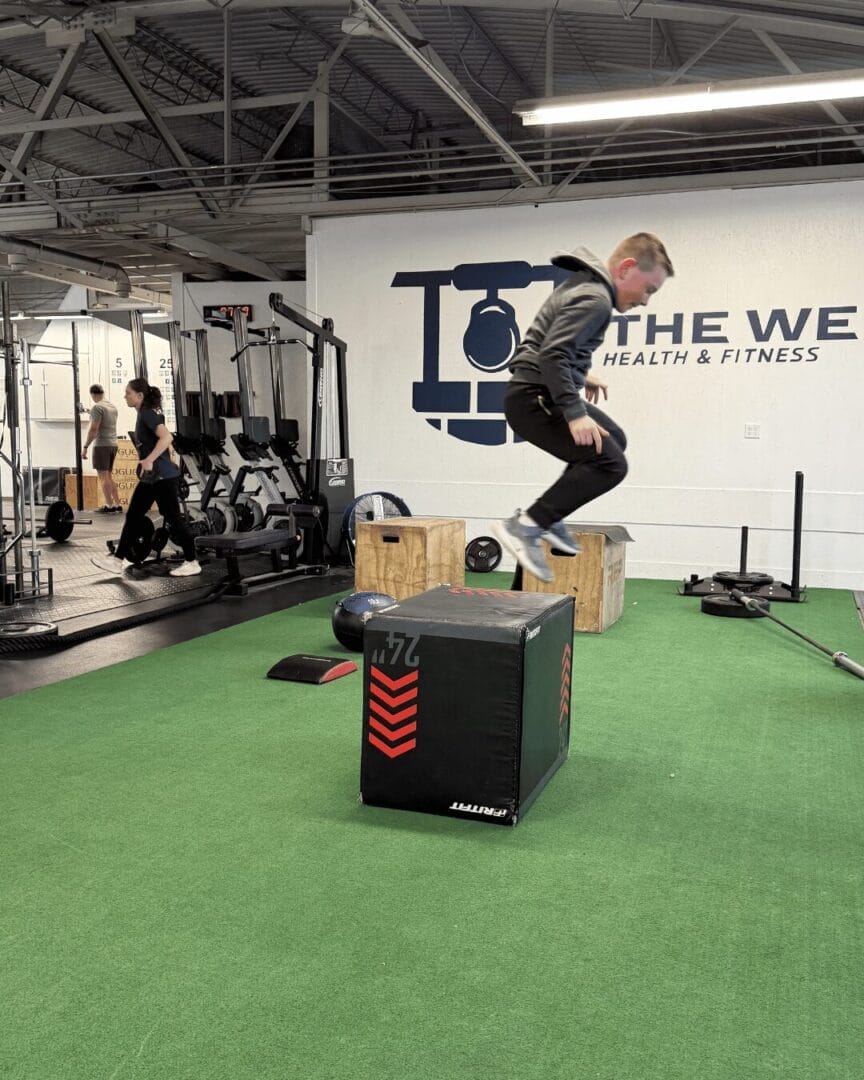
A 7-year-old is learning coordination and body awareness. They’re doing bodyweight movements, light medicine balls, and games that teach them how to land and balance.
A 12-year-old who’s been with us for a year might be learning how to use a barbell with perfect technique at a light weight.
A 17-year-old who plays football might be training closer to what an adult does, but we’re still teaching them patience and progression.
We don’t rush anyone into heavy weights. We don’t let kids compete with each other in ways that make them sacrifice form.
And we watch. Every rep. Every set.
If something looks off, we adjust it immediately.
Building Confidence That Carries Over
The best part of coaching kids isn’t the strength gains.
It’s watching a kid walk in unsure of themselves and leave six months later standing taller.
Strength training builds confidence in a way that’s different from team sports.
In team sports, your performance depends on other people. You can have a great game and still lose.
In strength training, progress is personal.
You couldn’t do a push-up last month. Now you can do five.
You were nervous to try the barbell. Now you’re asking to add weight.
That builds a type of self-trust that shows up everywhere else in their life.
I’ve had parents tell me their kid is more willing to try new things at school.
I’ve had teachers reach out and say a student is more focused in class.
I’ve had kids tell me they feel stronger when they’re anxious.
That’s what happens when you teach a kid they’re capable of hard things.
Why We Focus on Lifelong Habits
Most youth fitness programs are built around short-term results.
Get faster for the season.
Lose weight before summer.
Train harder than everyone else.
We don’t do that.
We’re teaching kids that fitness is something they do for life, not something they do to fix a problem.
A 10-year-old doesn’t need to be thinking about six-pack abs. They need to learn that moving their body feels good.
A 15-year-old doesn’t need to be grinding through workouts they hate. They need to build a relationship with exercise that doesn’t burn them out.
So we focus on consistency, not intensity.
We focus on learning, not just sweating.
We focus on building a foundation that will help them stay strong, mobile, and injury-free for the next 60 years.
Because here’s the truth: most kids who do youth sports stop exercising entirely once the season ends or they graduate.
We’re trying to prevent that.
We want them to be the adults who still move well in their 40s, 50s, and beyond.
What a Typical Class Looks Like
If you’re wondering what actually happens in a class, here’s the breakdown.
Warm-up (5–10 minutes)
We start with movement prep. Dynamic stretches, coordination drills, and games that get their heart rate up and their body ready to move.
Skill work (10–15 minutes)
We teach or review a movement pattern. This might be a squat variation, a hinge pattern, or how to do a proper plank. We break it down step by step and make sure everyone understands it before we move on.
Strength work (15–20 minutes)
This is where we apply what we just learned. Kids work through sets of exercises at their own level. Coaches circulate, give feedback, and adjust as needed.
Finisher or game (5–10 minutes)
We end with something fun. A relay race, a challenge, or a game that reinforces what we worked on. Kids leave smiling.
Total time: 45–50 minutes.
No kid is standing around bored. No kid is lost in the back.
Everyone is engaged. Everyone is coached.
What Parents Say After a Few Months
I could tell you all day why this program works.
But here’s what parents actually say after their kid has been coming for a few months:
“They ask when the next class is.”
“They’re more confident at school.”
“They’re sleeping better.”
“They actually want to be here.”
“They’re not complaining about their back anymore.”
That’s what we’re after.
Not just a kid who can lift more weight.
A kid who feels capable, strong, and excited about what their body can do.
If You’re On the Fence
Look, I get it.
You’re trying to figure out if this is worth your time and money.
You’re wondering if your kid will actually show up and try.
You’re worried they’ll be intimidated or bored or just not into it.
Here’s what I’d say.
We’ve built this program specifically for kids who aren’t sure yet.
We’ve designed it for the kid who’s nervous. The kid who’s never lifted anything. The kid who thinks they’re not strong.
And we’ve seen those kids become some of our most consistent members.
If you want to see if it’s a fit, come in for a Free Intro. We’ll sit down, talk through what your kid needs, and show you what a class actually looks like.
No pressure. No sales pitch.
Just a conversation about whether this makes sense for your family.
You can book that HERE