
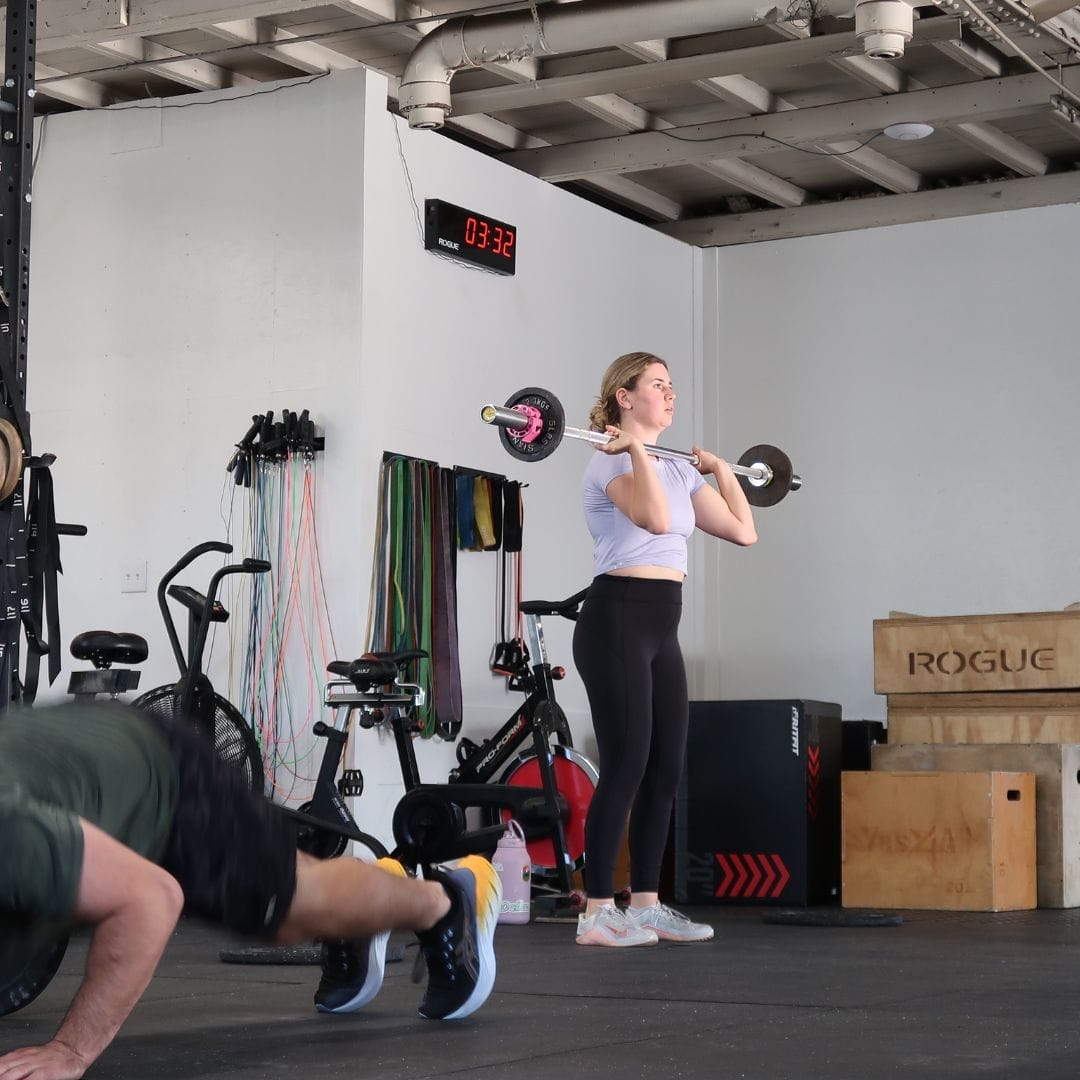
You’re working out consistently. You’re pushing yourself in the gym. You’re even starting to enjoy the process.
But for some reason… the results just aren’t showing up like you thought they would.
Sound familiar?
If you’re doing the work but not feeling stronger, more energized, or seeing physical changes—the issue might not be your workout.
It could be your fuel.
Most people underestimate how much of an impact nutrition has on performance, recovery, and results.
And it’s not about eating “perfect”—it’s about giving your body what it needs to actually use your workouts for progress.
In this post, we’re breaking down what happens when you don’t fuel properly—and how to start eating in a way that supports your training and helps you feel your best.
Why Fueling Matters More Than You Think
Think of your body like a high-performance engine.
If you don’t give it enough fuel—or the right kind of fuel—it won’t run well.
It won’t go faster.
It won’t recover.
And eventually, it burns out.
Exercise breaks your body down. Nutrition builds it back stronger.
Without the right fuel, your body struggles to:
- Recover and repair muscle
- Maintain energy throughout the day
- Build strength and endurance
- Regulate hormones and metabolism
- Avoid constant soreness or fatigue
If your workouts are solid but your food is inconsistent, progress will feel slow, frustrating, or completely stalled.
Pain Point 1: Not Eating Enough Protein
This is one of the most common reasons people don’t see the results they expect from their workouts.
Protein is essential for:
- Muscle repair and growth
- Maintaining lean body mass during fat loss
- Supporting your metabolism and satiety (feeling full)
Without enough protein, you’re more likely to feel:
- Sore and tired after workouts
- Hungry all the time
- Stuck at a plateau, even if you’re working hard
How much is enough?
A general guideline for active adults is 0.7 to 1.0 grams of protein per pound of body weight per day.
If that sounds overwhelming, start simple:
Aim for 20–30 grams of protein with every meal.
Easy protein wins:
- Eggs or egg whites
- Greek yogurt
- Chicken or turkey
- Protein shakes or bars
- Lean beef or fish
- Tofu, lentils, beans (for plant-based eaters)
Pain Point 2: Poor Meal Timing and Energy Dips
Even if you’re eating decent meals, when you eat matters too—especially around your workouts.
A lot of people skip meals, go too long without eating, or train on an empty stomach.
This can lead to:
- Low energy and poor performance during your workout
- Brain fog and fatigue throughout the day
- Cravings and overeating later in the evening
Fix it with better timing:
- Pre-workout: Eat a small meal or snack with carbs + protein 60–90 minutes before training (ex: banana + peanut butter or toast + eggs)
- Post-workout: Within 1–2 hours after your session, eat a meal with 20–30g of protein and a moderate amount of carbs (ex: chicken + rice, or a protein shake + fruit)
This helps replenish energy, reduce soreness, and kickstart recovery.
What a Balanced Day Might Look Like
You don’t need to count every calorie or obsess over macros to eat well.
But it helps to build a rhythm that supports your training.
Here’s an example of a simple, fuel-friendly day:
✅ Breakfast (Pre-Workout):
- Scrambled eggs + whole grain toast + fruit
- Or a protein smoothie with banana, protein powder, and almond butter
✅ Lunch (Post-Workout):
- Grilled chicken + quinoa + roasted veggies
- Or a turkey wrap with a side of fruit
✅ Snack:
- Greek yogurt with berries
- Or a protein bar and a handful of almonds
✅ Dinner:
- Baked salmon + sweet potato + green beans
- Or lean ground beef stir-fry with rice
It doesn’t have to be fancy—just consistent.
Final Thoughts: Fuel Drives Progress
If you’re frustrated with a lack of progress despite showing up and doing the work, don’t overlook your nutrition.
You don’t need a strict diet.
You don’t need to cut out your favorite foods.
You just need a plan that supports your body and your goals.
Start with these three steps:
- Add protein to every meal
- Eat before and after workouts
- Don’t skip meals—stay fueled consistently
Your energy will improve.
Your workouts will feel better.
And your results will finally start showing up.
We genuinely love helping people feel their best and stay healthy. Whenever you’re ready, we’d love to chat. Book your free intro here!


